
#1 AI STOCK RESEARCH SYSTEM YOU CAN ACTUALLY OWN AND CUSTOMIZE
Transform your AI from a search tool into a professional-grade stock analysis system. Tesseract Stock Agent
No subscriptions, centralize your stock research in a single chat.
10 steps automated process, 7 output types, 6 specialized chains
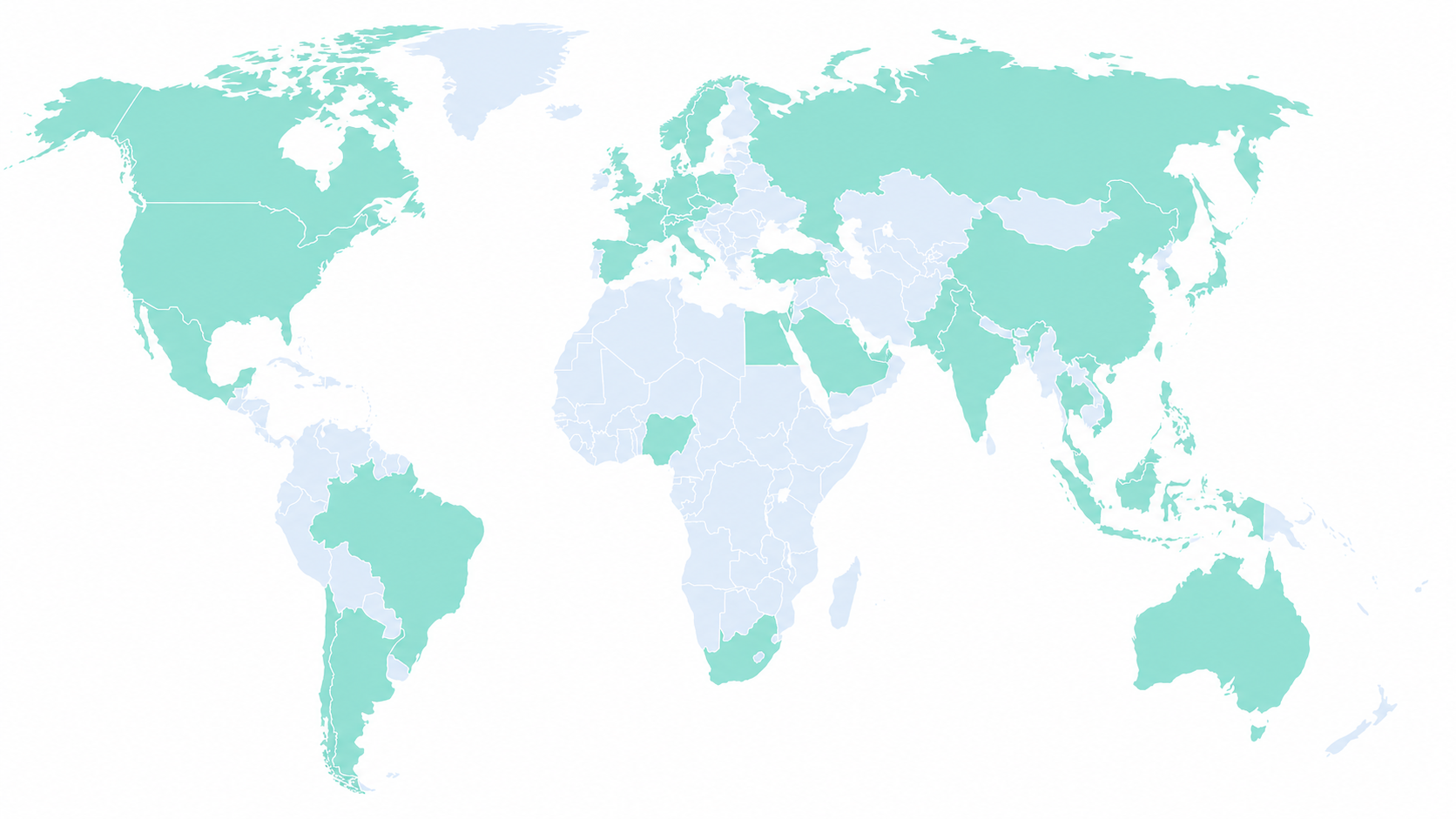
44 countries, 8,000+ pages of country-native research resources
Inspired by the latest literature by Stanford & Columbia studies


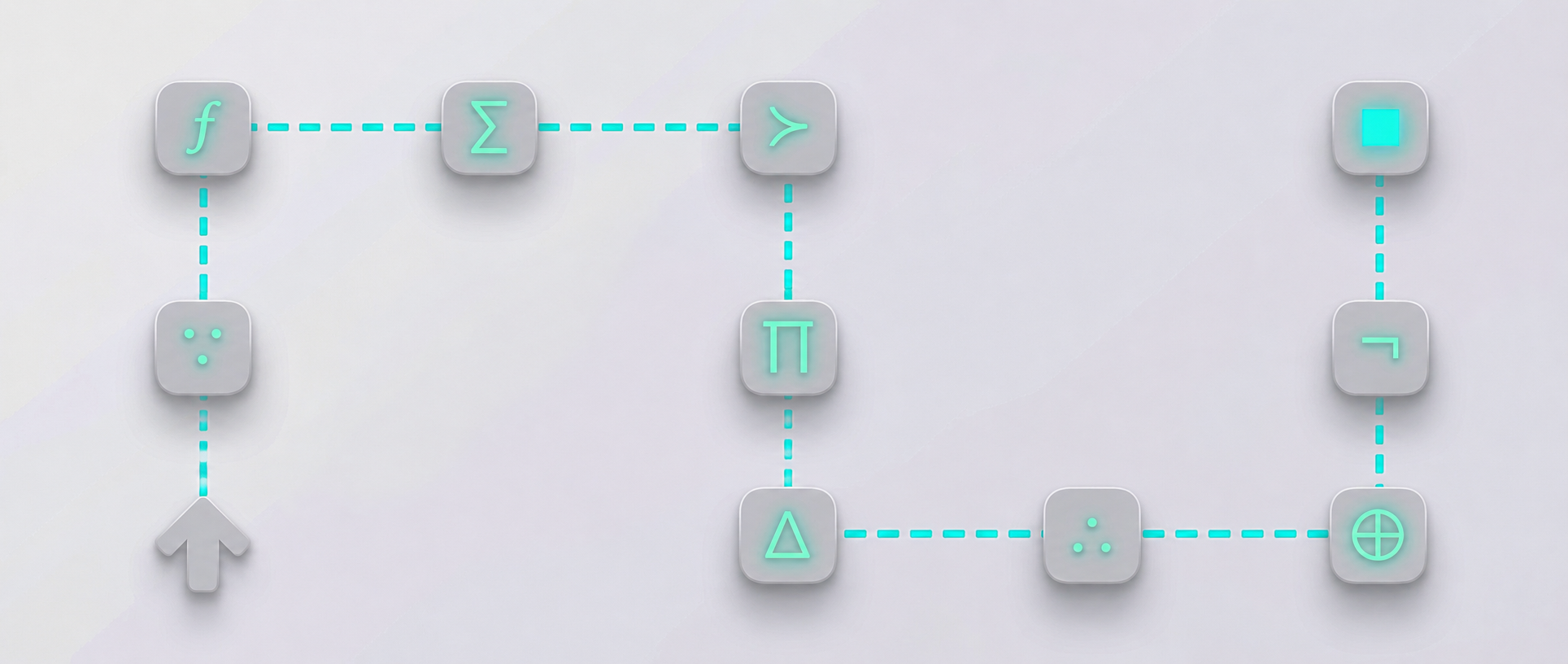
In 2026, investors don’t lack information. They have too much.
Everything looks relevant, urgent, and worth checking.
One source says buy. Another says wait. Another says the story is elsewhere.
Too much input doesn’t build conviction. It destroys it.

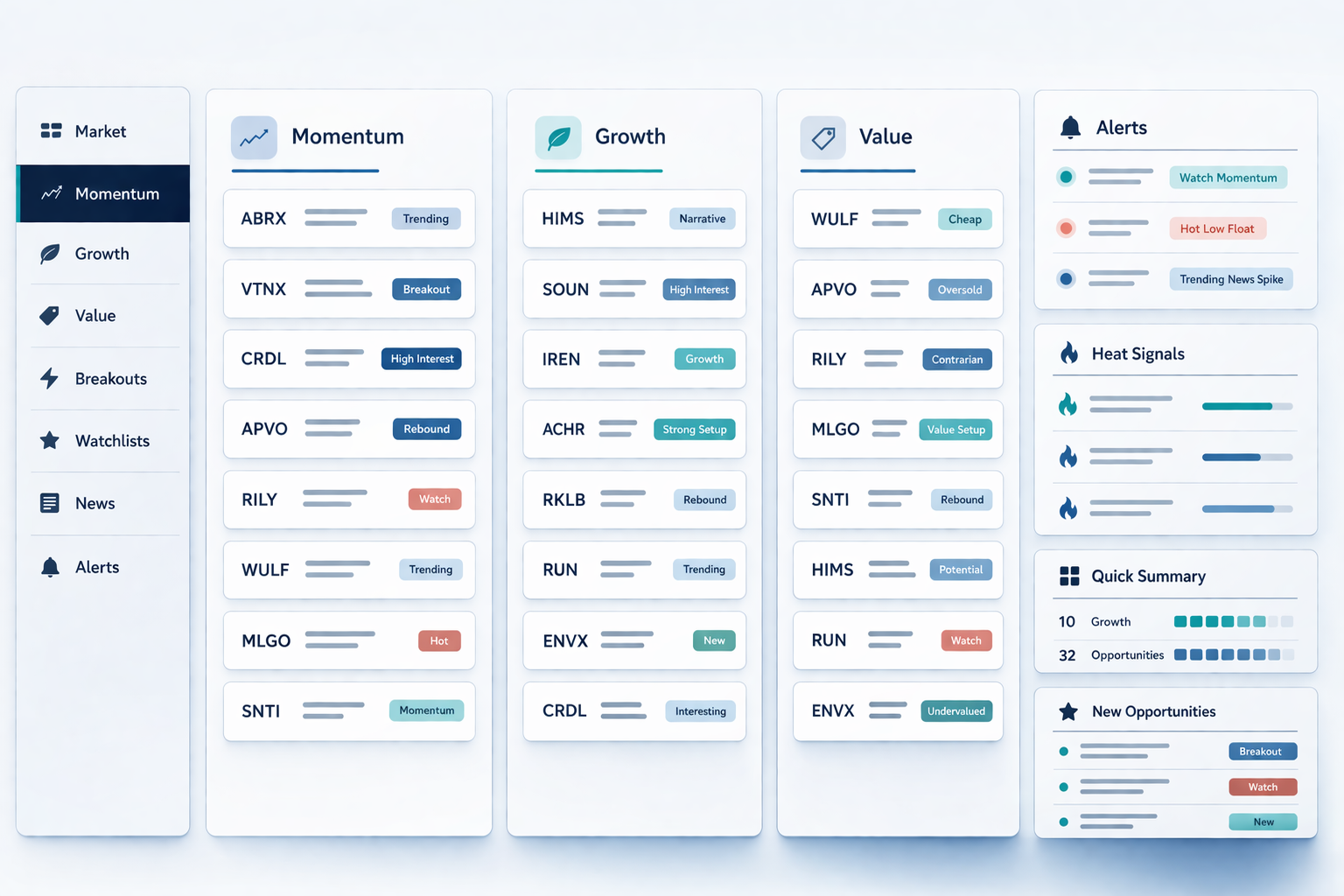
Most investing tools are screeners pretending to be analysts.
You need interpretation. Most tools just do this:
Blast you with 50 recommendations at once.
Pile on tens of charts that serve no purpose.
Overload you with words and numbers, no judgment.
That’s where most investors lose time, clarity, and conviction.
2 ways of AI assistance in stock analysis
Telling you everything except the things that really matter.
While the outlook appears cautiously optimistic, the stock’s price over the next 12 months will depend on broader market conditions, macroeconomic trends, and company-specific execution; investors should monitor key catalysts such as earnings results, guidance updates, and changes in industry demand, as these factors can meaningfully impact valuation; given the inherent uncertainty in forecasting, a range of outcomes is possible, and price action may remain volatile in response to news flow and sentiment shifts; overall, maintaining a diversified approach and aligning position sizing with your risk tolerance can help manage potential downside while participating in upside potential.
Telling you only the things that actually matter.
Jonathan, do not buy this stock right now. Margins are weakening, insiders are selling, and the current price already assumes a recovery the business has not earned yet. If the next two quarters change that picture, revisit it.
Regards,
Tesseract Stock Agent
One page is all you need for a real investment thesis.
Warren Buffett, Sequoia, and Peter Thiel can compress the heart of any thesis into a single page. The pros learned this a long time ago.
Good analysis is not long. It interprets the actual facts. Length usually hides weak judgment, not strong reasoning.
Tesseract Stock Agent is built on that idea: investors need a synthesized argument, not a 20-page wall of text that says nothing and ends inconclusive.
That’s exactly what Tesseract Stock Agent does.
It gives you something that you can actually use instead of making you feel like closing the browser altogether, like most AI tools currently do.
Point A
100+ websites, countless hours.
Point B
One single website, just a few minutes.
Point A
100+ websites, countless hours.
Point B
One single website, just a few minutes.
Multiple endings, all within your control.
One chain, one default report, plus 6 optional steps you can run on top. Tone, length, and detail all adjustable.
Three pages, balanced depth.
The recommended default. Deep enough to act on, short enough to scan.
Mini · 1 page
Plain language, very compact format.
Maximum · 10 pages
Full breakdown, exportable as a PDF.
Monitoring follow-up pack
Tells you what to track in the next three months.
Advanced competitive analysis
All metrics that matter, against the closest peers.
Scenario analysis
Stress-tests the thesis under different market conditions.
Contextual country analysis step
How country and geography will affect the stock in 12 months.
6 Specialized Chains
For stocks and situations that do not fit a normal research template
- Biotech Binary Event Engine Clinical, FDA, approval, and trial-risk analysis.
- Cyclical Commodity Normalization Energy, mining, materials, and cycle-adjusted valuation.
- Hype Narrative Decomposition AI, quantum, hydrogen, and “next big thing” reality checks.
- Management Credibility Audit Governance, execution, capital allocation, and disclosure quality.
- Microcap Forensic Engine Dilution, liquidity, promotion risk, filings, and survival analysis.
- Moat Decay Detector Finds when a former compounder’s advantage may be weakening.

Statistics
100x
more information considered, compared with single prompts
8000+
pages of instructions, and best practices on the backend
90%
maximum time reduction for the analysis of a stock investment thesis
<2 min
the average time that the user will have to spend on his own for 1 final output
What you get with Tesseract Stock Agent
Everything in the folder. No upsells, no missing pieces.
Tesseract Relay App
Runs the chain hands-free in your chat across ChatGPT, Claude, Gemini, Perplexity, or Grok.
Prompt chains for 44 countries
Prompt structures customized for each country’s market, regulators, and disclosure systems.
Resource library for 44 countries
Sector logic, valuation methods, governance and ownership patterns adapted to each market.
Six add-ons
Extra steps for monitoring, competitive analysis, scenario testing, and deeper research.
Visualization files
Design and typography files and guidelines for turning text reports into polished PDFs.
Six investor workflow chains
Specialized chains for different investor workflows, research styles, and needs.
Customization resources
n8n automation workflow and a full guide for advanced users who want to push the system with custom-made logic.
Comparison guidelines for every part of the system
Every part has a clear guide, plus a five-minute quick implementation guide.
The core premise (prompt chains win)
A structured prompt chain beats a single prompt, Agent mode, or Deep Research every time the task gets serious.
- Chains force structure (no wandering)
- Chains stack context (each step improves the next)
- Chains stress-test before committing (less confident nonsense)

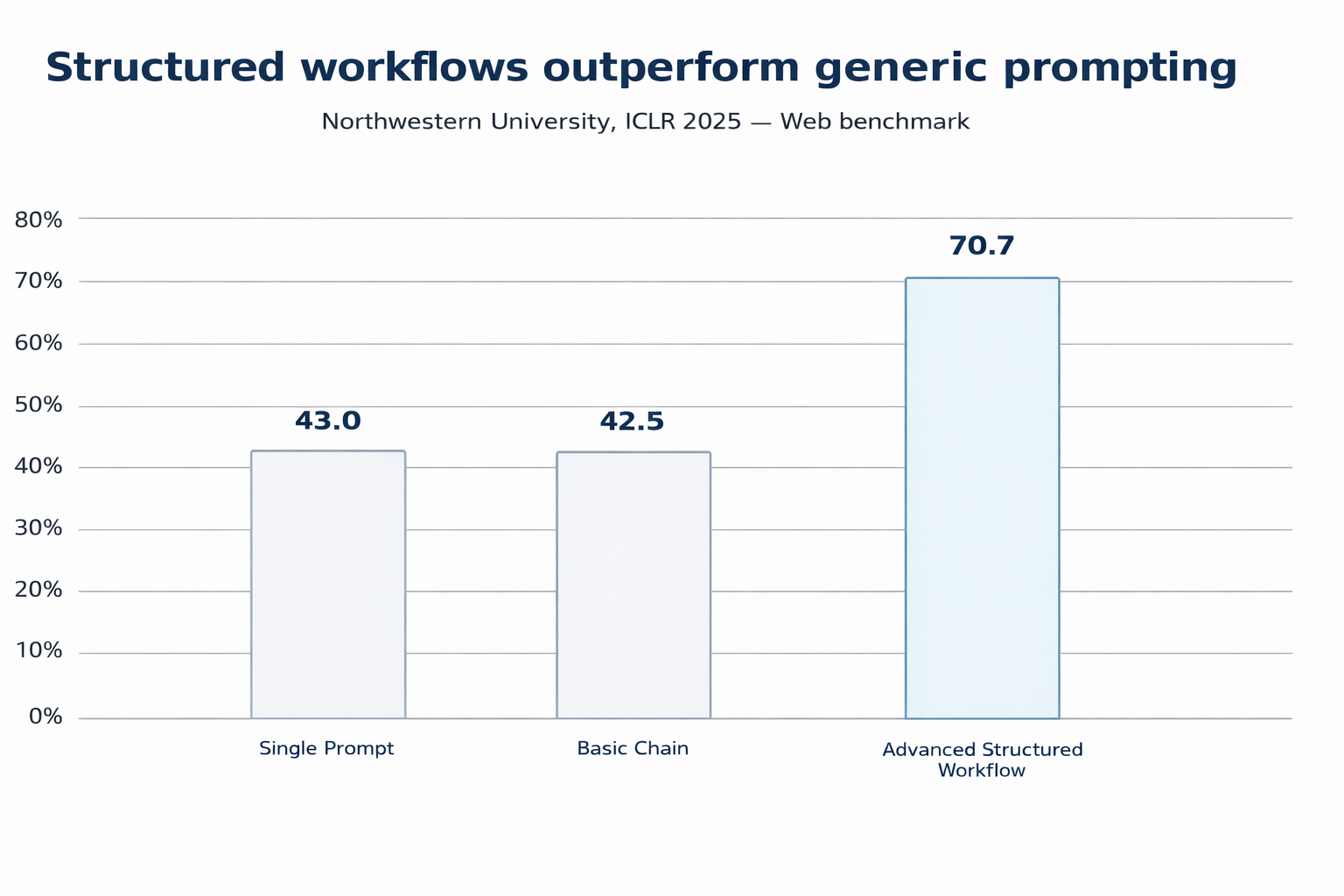
The proof from Stanford & Columbia studies
- Sharper decisions. Multi-step workflows produced up to 5× stronger performance on difficult reasoning tasks.
- Better reasoning. Stanford showed that structured search pushed success from 4% to 74% on a hard planning task.
- Accuracy. A 2025 study showed 70.7 vs 42.5 for a structured action-chain workflow over chain-of-thought.
Three superior qualities of Tesseract Stock Agent

Adaptive by design
The agent adjusts its measuring stick by industry, market cap, country, and market dynamics, not by forcing every ticker through the same template.
Apple, a weak biotech, and a speculative small-cap are not judged with the same questions, the same thresholds, or the same context.

Cumulative reasoning
The prompts are not meant to sit on top of each other as separate layers, but to melt into one progressively stronger thesis.
Each step carries forward the earlier context, so the final judgment becomes more integrated, more coherent, and more useful.

Inspired by excellence
The agent is conceived from real examples of equity research analysis and from the working habits used by strong buy-side professionals.
Its frameworks are meant to reflect disciplined research thinking, so the output feels closer to serious analytical work than to generic prompting.
How do you use it?
Four modes. From fully automated to fully hands-on, pick the one that matches your style.
Tesseract Relay
Pushes comfort to the absolute maximum. The application does everything for you: open your favorite browser, pick your favorite LLM, write the ticker, click a single button. The whole factory starts working for you while you take a walk or drink your morning coffee.
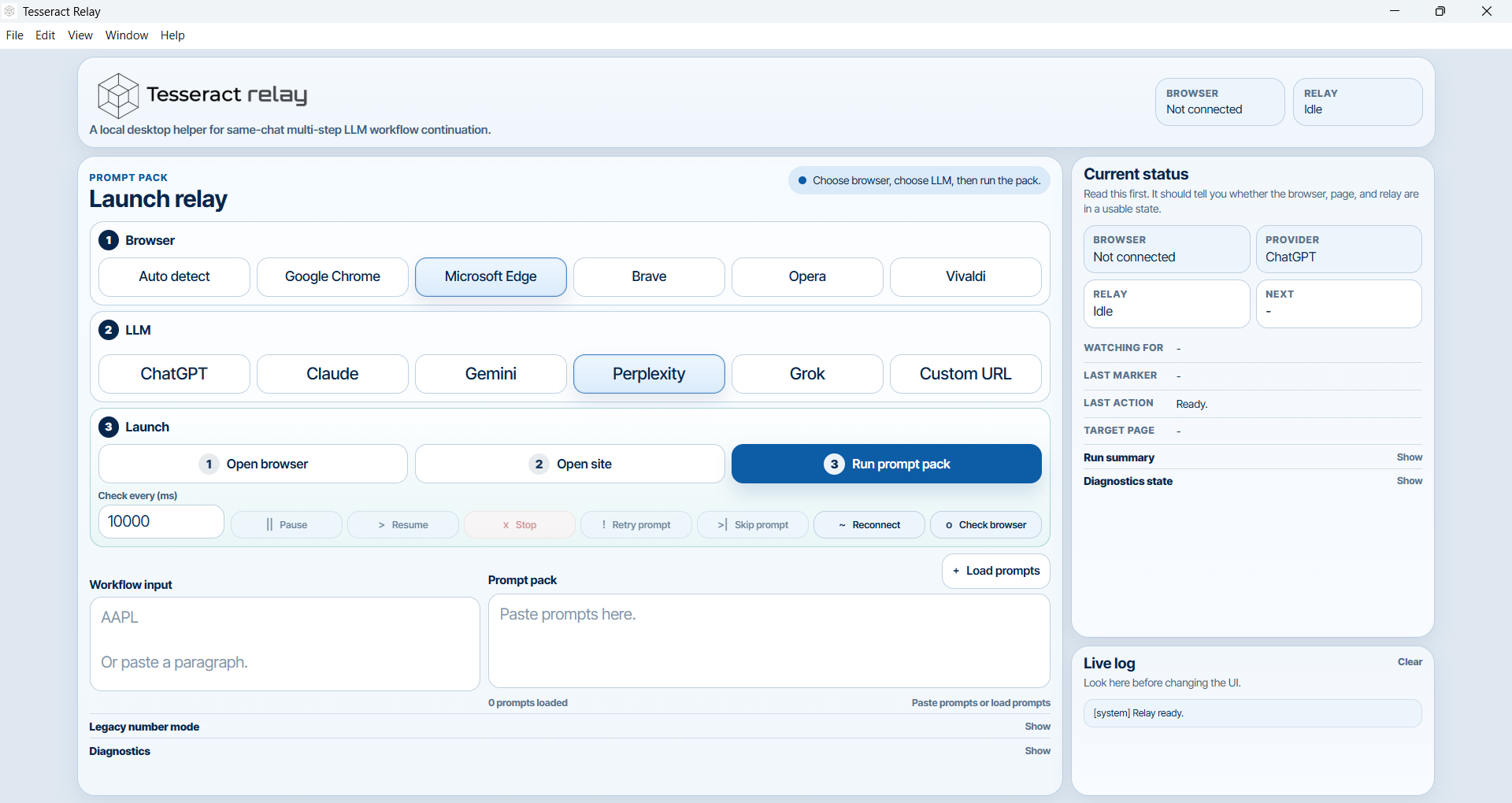
Tesseract Relay · the desktop helper
Manual
It only requires typing the numbers in sequence. The benefit is more control: you read and take the whole chain slowly, digesting more information from each part of the analysis at your own pace.
n8n workflow
Enables much deeper customization for those that really need it. The same chain, the same memo, with every step exposed and editable inside your own automation.
Custom / API
Customize the prompt chain, plug into the API, build it into your own pipeline. For developers, analytical desks, and anyone who wants another level of customization.
Can it be used for other purposes?
Yes. All of that and more, as long as the thing you’re analyzing is a stock.

About 90% of the value of the whole system comes from its prompts and 8000 pages of resources
Most AI stock answers are stitched together from Yahoo Finance, Reddit threads, and whatever the model can scrape in 30 seconds. Tesseract Stock Agent works differently.
Every step is guided by a private, curated library: about 20 specialized research modules packed with valuation methods, KPI logic, sector frameworks, and failure-mode checklists used by serious analysts.
Plus 44 country packs with native sources, regulators, exchanges, and local market doctrine, so the analysis isn’t Wall Street-by-default.
Read more about why proprietary research beats generic browsing for serious work in this article of the blog.

Note: The customization of the system is not advised to people that don’t know really well what they’re doing. These people usually fall under 2 categories: experienced investors or highly competent people working in finance.
…while being fully customizable
-
Do you want to turn the entire workflow into a system focused purely on value investing?
-
Do you want to tailor the whole flow for the research purposes of your organization?
-
Do you want to have an output that is always super easy to understand?
-
Do you want to build an agentic AI infrastructure around this product?
You can do all of that. It is all up to you.
Read more about why customization freedom gives the user so many opportunities to shape the workflow based on his specific needs in this article of the blog.
Each piece of the chain has its own role.
Zoomed in on a single piece. The architecture is shown. The contents ship with the product.
-
01
Built on real research methods.Shaped by what serious equity desks actually do, not by generic AI tricks.
-
02
Carries what came before.Each piece picks up where the last one stopped. The chain never starts from scratch.
-
03
Feeds what comes next.Each piece sets up the next one cleanly, so the final memo reads as one connected story.
-
04
Anchored in local resources.Each piece is backed by a folder of country-specific material, often more than 50 pages per piece.
-
05
No piece is just for show.Each one moves the analysis one step closer to the final call.

n8n is a simple way to start customizing it at a deep level.
Customization can take a lot of forms. One of them, we have already made ready for you.
That form is n8n, one of the most widely used automation frameworks in the world. The workflow imports in minutes. From that point on, the chain lives inside your own setup, ready to be shaped however you want.
Complete on day one. Personal over time.
Open the folder, type a ticker, read the analysis. Nothing to set up, nothing to configure, nothing to learn. The chains are tuned, the prompts are ready, the country packs are loaded.
What sits underneath that polished default is the second half of the product. Every prompt, every scoring rule, every checklist, every country setting. They’re all in plain files you can read and rewrite when you decide you want the system to think more like you do.
Most people use it as it comes. Some people make it the whole point. Both are correct.
Global by design.
44 countries covered. From Tokyo to São Paulo, from Mexico City to Sydney...
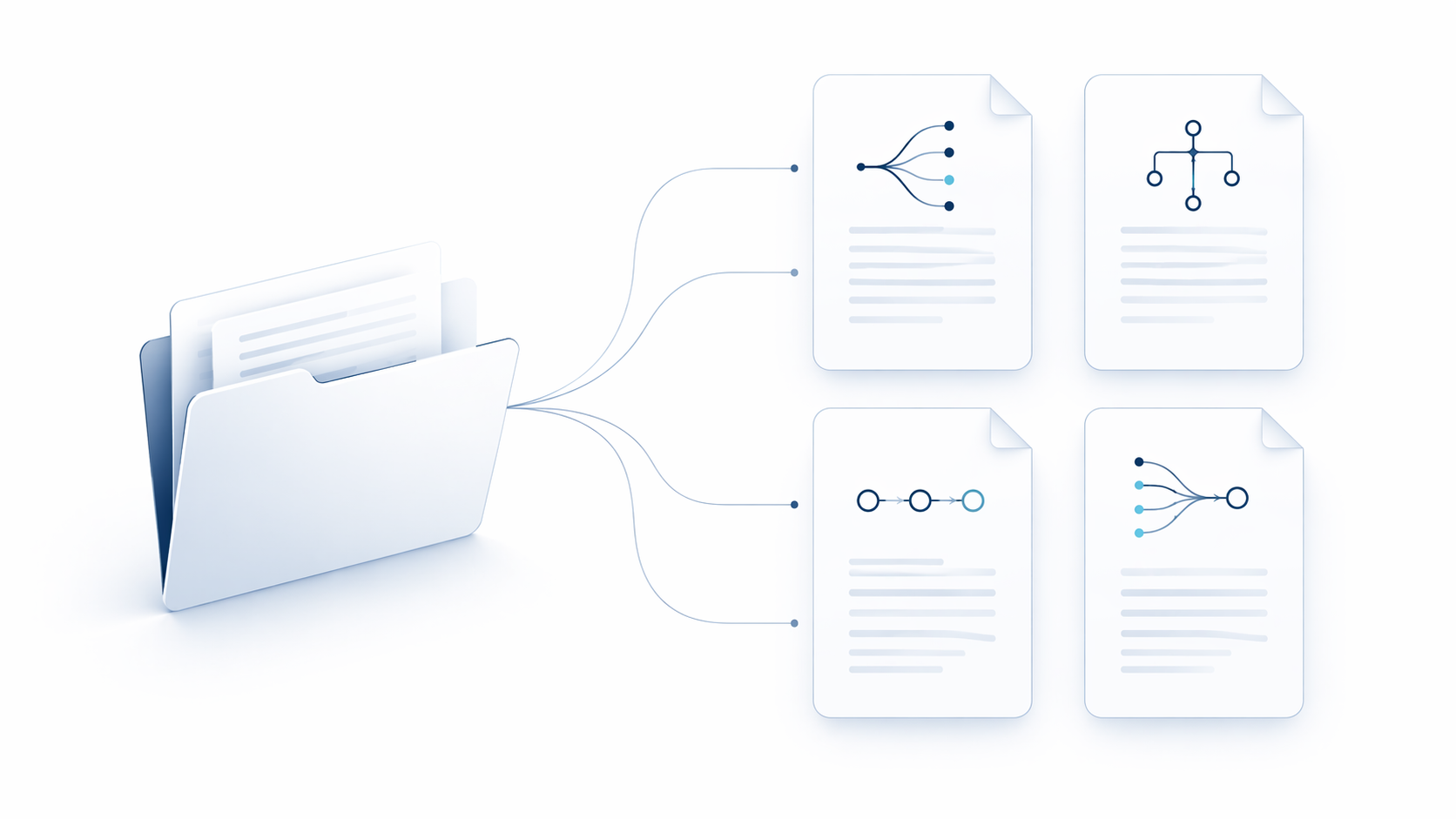
What is built into the brain of the system.
Probabilistic scenario analysis
Decision-tree logic
Sequential reasoning architecture
Bayesian-style evidence updating
The intention of the agent is one and only
“The end result will be one of the best pieces of information that an equity investor can use to decide for a specific investment decision.”
Why a normal AI tool won’t get you there.
| Comparison pointPoint | Public LLM chatPublic LLM | Tesseract Stock Agent |
|---|---|---|
| Purpose | Built to handle many different tasks. | Built for one specific equity-analysis workflow. |
| Workflow structureWorkflow | Starts from a blank conversational state. | Runs through a predefined structured chain. |
| Research disciplineDiscipline | Can wander depending on prompt quality. | Forces ordered steps before reaching conclusions. |
| Guidelines | Gets guidelines on the go for each new question. | Includes best practices inside the workflow itself. |
| Output consistencyConsistency | Can vary a lot from run to run. | Designed to arrive at a specific output structure. |
| Final resultResult | Usually gives you a conversation or an answer. | Produces condensed outputs built for decision-making. |
| Specificity | Applies the same generalist knowledge to every stock, every sector, every country. | Hyper-specialized country and sector logic baked into the workflow. |
But why not trust the target prices published by banks and equity research firms?
Because they are fundamentally biased.
Do you think that the best opportunities are published for free?
Do you think that $20 per month blog subscriptions are built to make you rich?
Do you think the firms paid by the companies they cover are giving you the unfiltered truth?

Note: There are many outstanding and hard working equity research analysts in the world, here the reference is made to the misaligned incentives and the way in which investment advice is given, not to the skills of the people.
The best research stays inside the building. The version you see for free is gatekept on purpose.
Historically, sell-side analysts skew bullish almost by default. The reason is simple. Companies pressure the firms covering them, and there are hidden incentives for publishing rosy projections.
If you’re a beginner, this agent is your safety net.
- It gives a beginner a more structured way to think before acting on a stock idea.
- It reduces dependence on shallow one-shot answers by forcing a clearer analytical path.
Read more about how Tesseract Stock Agent can help a beginner investor in this article of the blog.


If you’re experienced, this is the speed boost.
- It speeds up repeatable research without removing the investor’s own judgment and framework.
- It gives a disciplined base process that can still be shaped around personal methodology.
Read more about how Tesseract Stock Agent can help an experienced investor in this article of the blog.
If you’re an analyst, the Advanced tier is built for you.
- The advanced version is more suitable when deeper structure, customization, and support material are required.
- It is better suited to analysts who want condensed research outputs rather than casual conversational answers.
Read more about how Tesseract Stock Agent can help a professional analyst in this article of the blog.

Where it actually saves you hours.
3 practical scenarios
Kill bad ideas fast
Filter weak setups earlier, so you spend less time following ideas that were never worth serious attention.
Accelerate promising research
Move through a serious investment case with more speed, without collapsing the structure needed for good analysis.
Research more at scale
Screen a larger set of opportunities in a disciplined way, then narrow your focus to the strongest candidates.
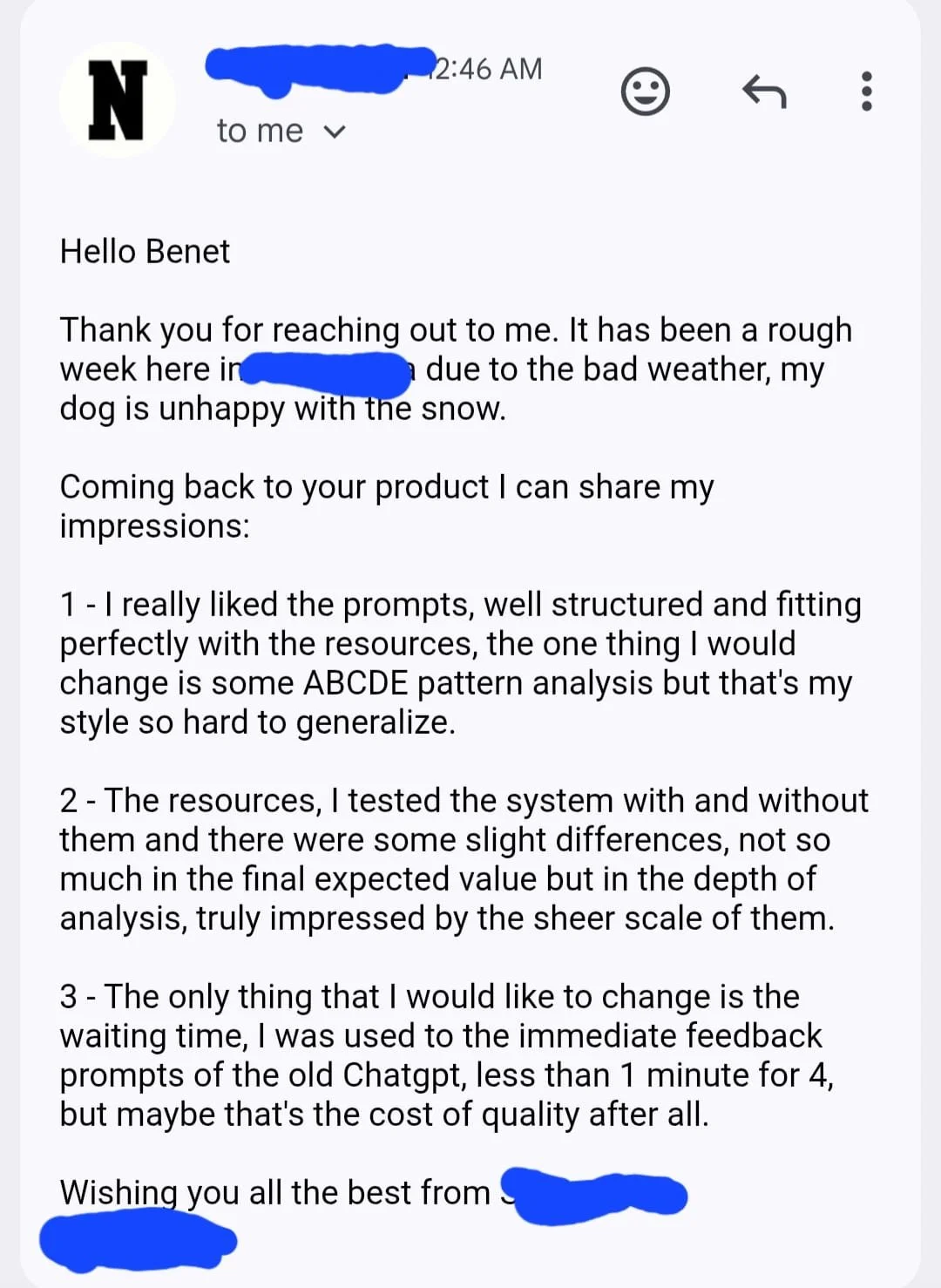
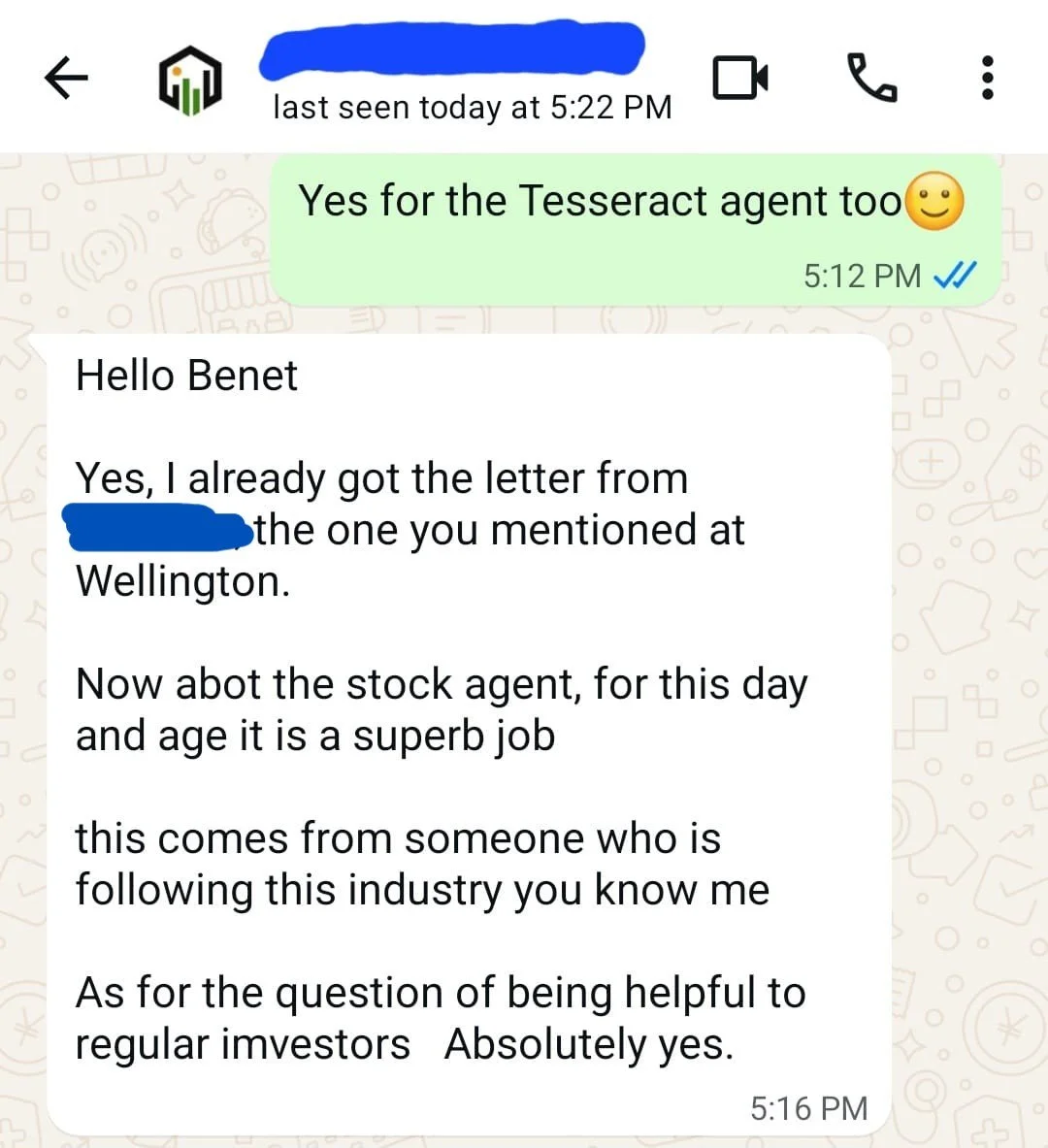
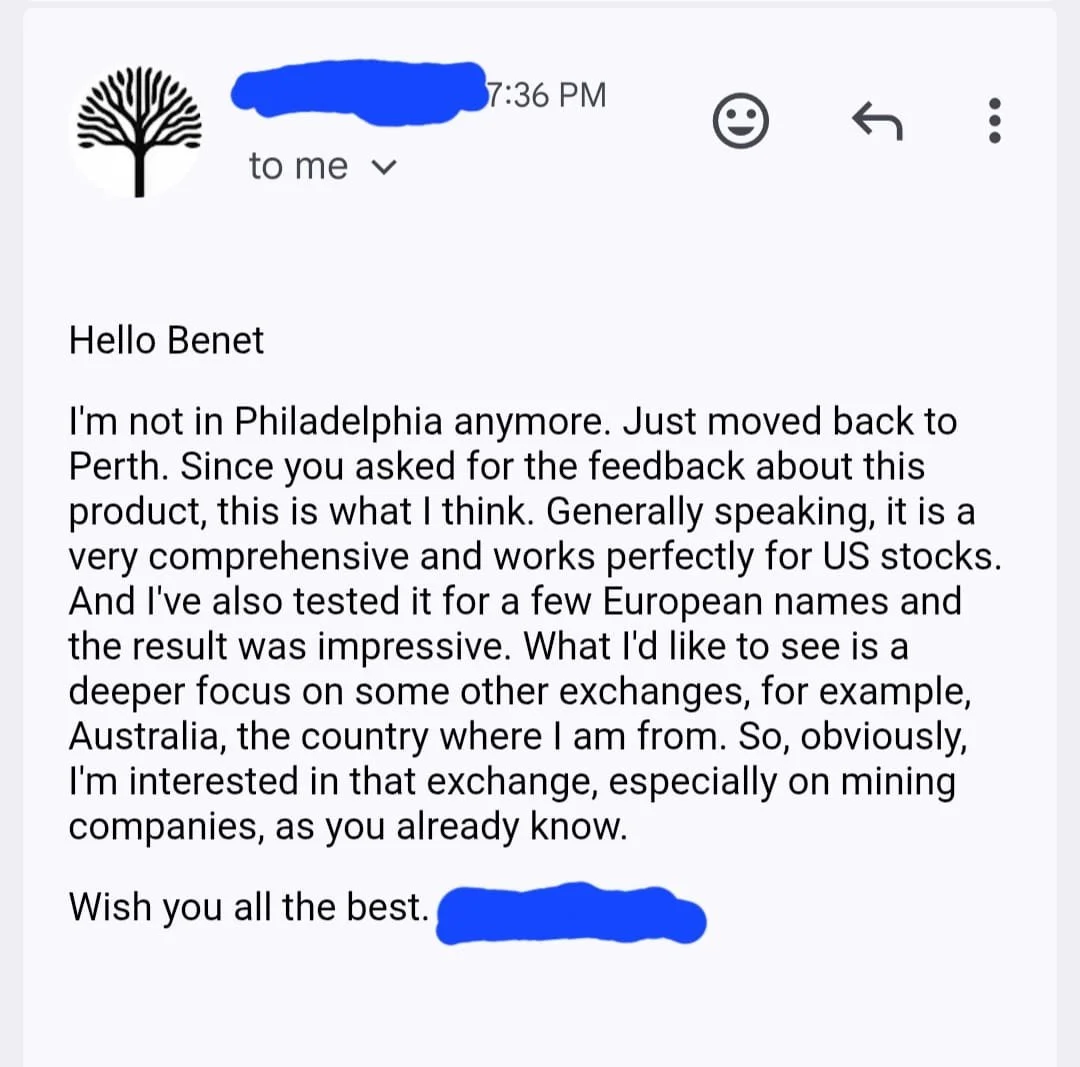
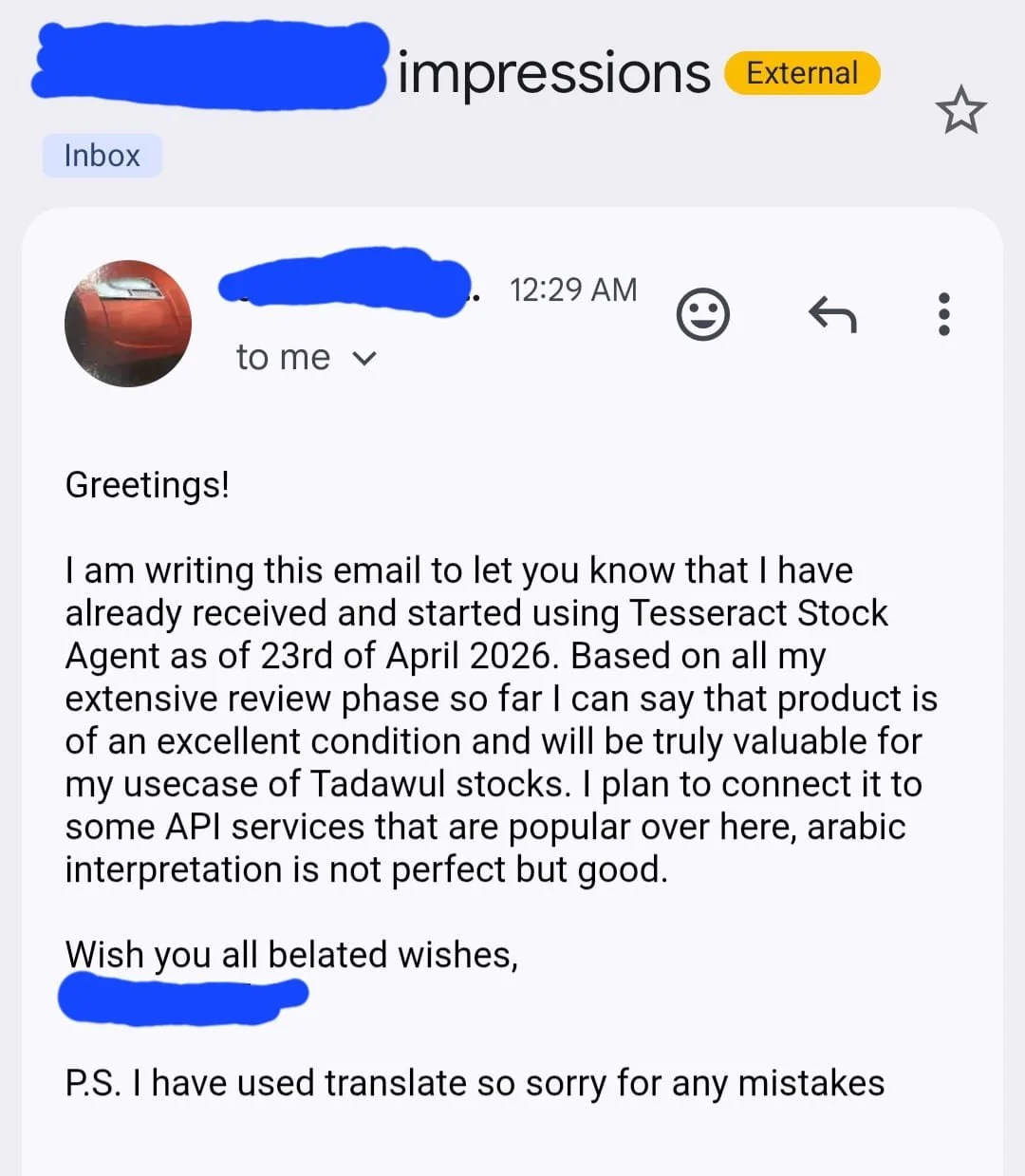
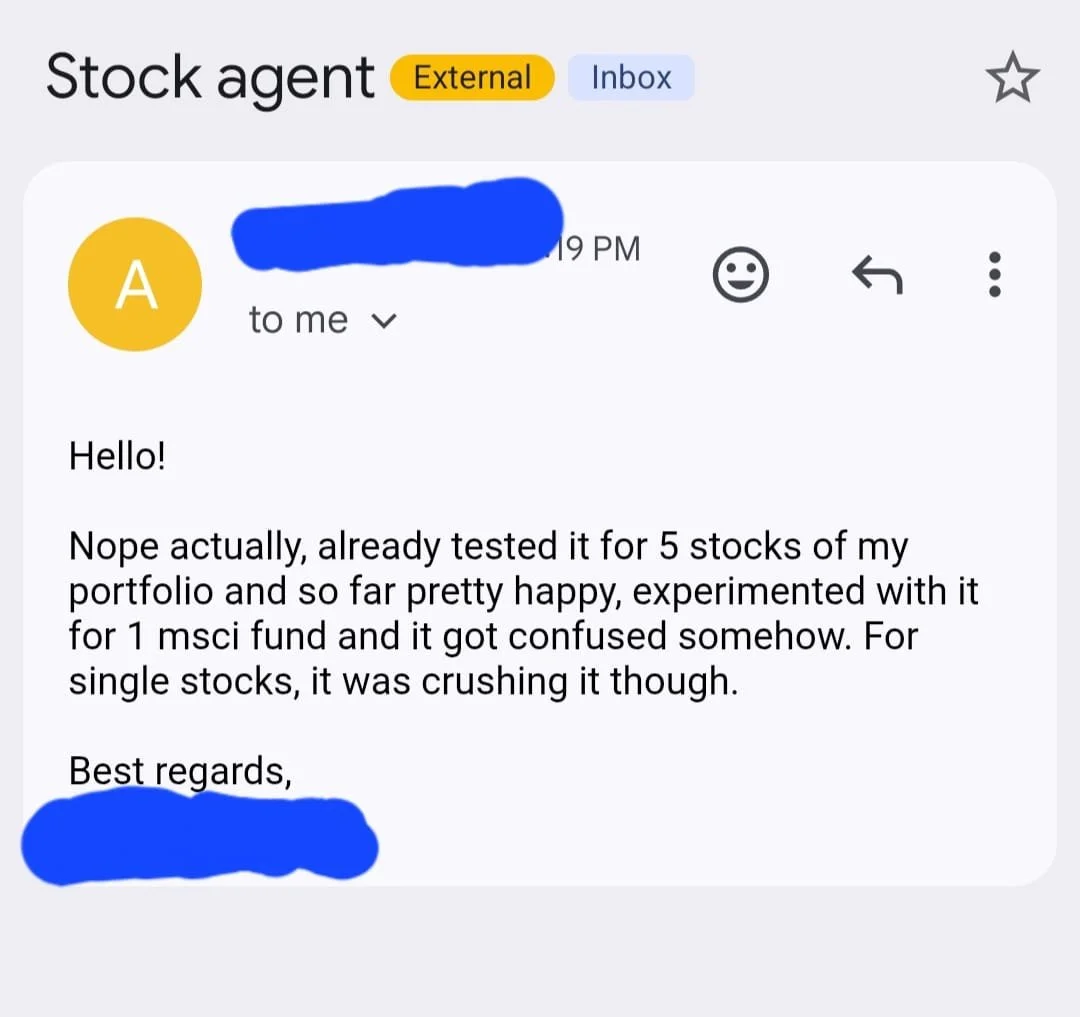
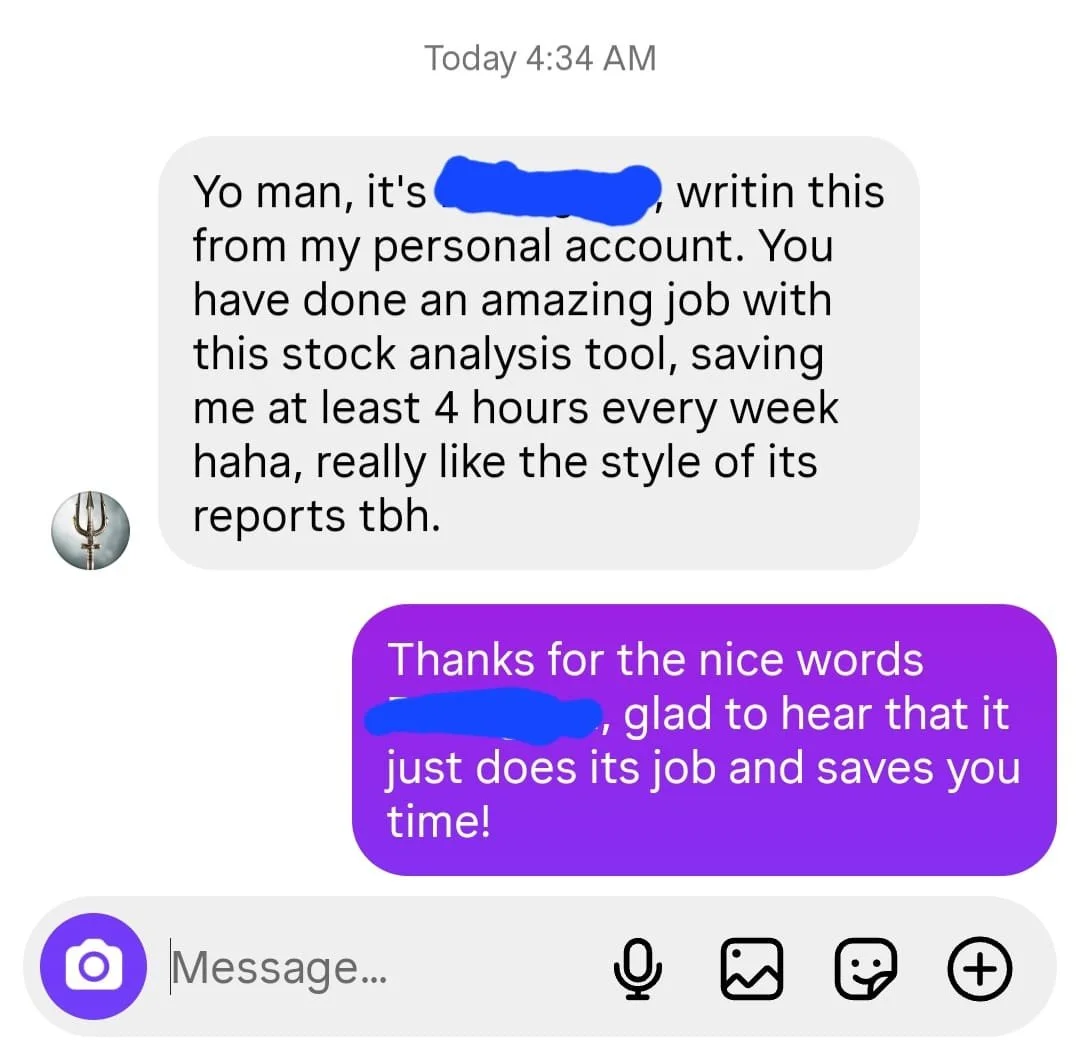
What the first users said after trying Tesseract Stock Agent


What happens the moment you buy.
- 1
You open the folder with all the files inside.
- 2
You choose one of the paths indicated in the user guide.
- 3
After around five minutes, you have already started using the product.

Who it is not for
- Not for SPY, QQQ, or VIX traders.
- Not for equity day traders. There will be a specific product for them.
- Not for people wanting instant trade alerts.
- Not for people who won’t read a one-page memo.
The creator of the system is an equity analyst himself.
Before it became a product, this was a personal tool for a trader and investor who got tired of generic AI answers. The goal was straight: cut the noise, force structure, and reach a sharper conclusion than any chatbot would give on its own.
A system like this has to work for the person who built it before it’s ever sold to anyone else.

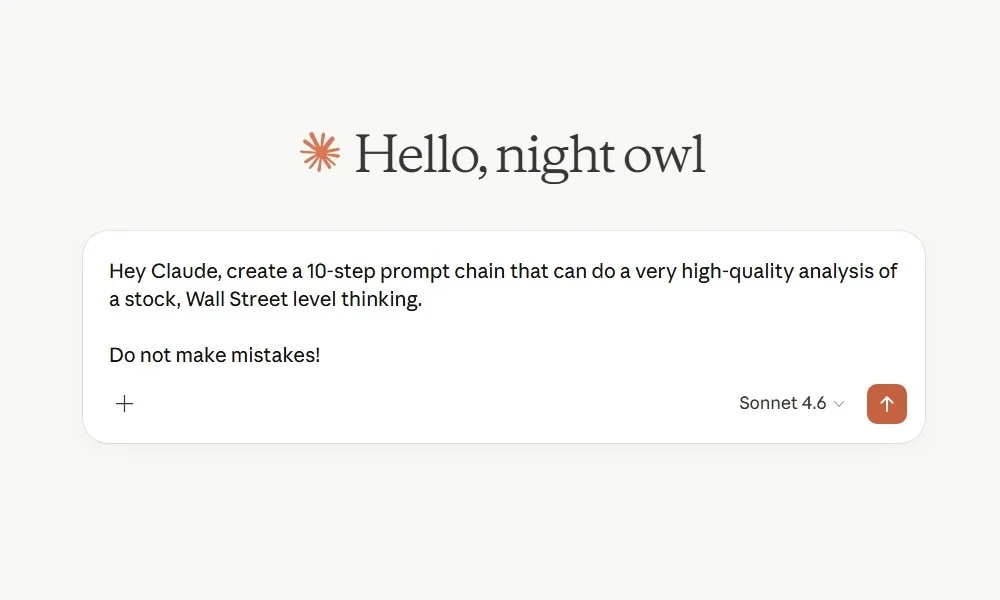
“Claude, build me a Wall Street-grade stock research system right now. Do not make mistakes.” If it were that easy, everyone would do it.
Born from a real problem and three months of obsessive research.
The idea of publishing this system started with one client, an investor who had underperformed the S&P 500 for ten straight years, except 2023. He got tired of me telling him his favorite tech stock wasn’t a good investment, so he switched to ChatGPT for second opinions. I told him, “Send me the screenshots. I’ll review the conversation for free.”
He did. What I read was mediocre, inconclusive slop that quietly nudged him toward a “buy”. I checked the sources: Yahoo Finance, Reddit, Wikipedia, and Jim Cramer’s opinions as a cherry on top. That was the moment I knew I had to make this public.
Choose the plan that fits your workflow.
Pay once. Own it forever. Pick the depth you actually need.
Try the logic before you buy.
Use the public GPT, the lighter chain, and the basic guidance needed to test the system before buying.
- Public GPT access
- Mini chain with five steps
- Product map
- User guides and tutorials for included features
- Tesseract Relay App
The full U.S. workflow, major-market prompt packs, and 2 optional add-ons .
Built for users who want the 10-step workflow, selected major markets, and two different reporting typologies, the simple and the advanced one.
- Everything in GPT, plus:
- US 10-step chain
- Canada, UK, Australia 10-step chains
- 2 add-ons: simple report + advanced report
The global package with all country packs and the complete add-on layer.
Built for users who want broad international coverage, all 44 country packs, and the full set of post-chain research add-ons.
- Everything in Basic, plus:
- Chains and resources for all 44 countries
- All 6 post-chain add-ons included
- Advanced PDF visualization resources
The full infrastructure package for advanced users and custom workflows.
Built for users who want specialist research chains, automation, API guidance, customization, and the deeper system blueprint.
- Everything in Advanced, plus:
- 6 elite specialist chains
- n8n automation workflow + usage guide
- API infrastructure and guidance
- Customization + build your own workflow guide
- Research blueprint — the brain behind the system
- 12 months of system updates
Compare what each plan includes
Each higher tier includes the features of the tiers below it.
| Includes | GPTGPT | BasicBAS | AdvancedADV | ProPRO |
|---|---|---|---|---|
| Core access | ||||
Public GPT access Free Tesseract Stock Agent Mini GPT on ChatGPT, useful for testing the core logic before using the full package. |
||||
Mini chain with five steps A lighter workflow that gives a fast first-look analysis without running the full 10-step research chain. |
||||
Product map Plain-language guide explaining what each major file and folder does, so users know where to start. |
||||
User guides and tutorials Step-by-step help for the features included in each tier, including setup, chain usage, and basic workflow logic. |
||||
Tesseract Relay App Desktop helper that can run prompt chains hands-free in the same chat instead of manual copy-paste. |
||||
| Main research chains | ||||
US 10-step chain The complete research workflow for U.S.-listed stocks, built to produce the standard equity research report. |
||||
Canada, UK, Australia 10-step chains Full workflows for three major English-language markets, useful before moving into the complete global package. |
||||
Chains and resources for all 44 countries Full country packs with local prompt logic, market structure, valuation context, and research resources. |
||||
| Reports and visualization | ||||
Simple report + advanced report One-page and long-form report formats built from the completed final analysis after the core chain finishes. |
||||
All 6 post-chain add-ons included Every add-on for follow-up, competitors, scenarios, geography, plain-language reporting, and advanced reporting. |
||||
Advanced PDF visualization resources Higher-quality formatting resources for stronger visual reports, richer layouts, and more polished PDF presentation. |
||||
| Professional infrastructure | ||||
6 elite specialist chains Specialist workflows for biotech, cyclicals, hype narratives, management credibility, microcaps, and moat decay. |
||||
n8n automation workflow + usage guide Ready-to-import automation with setup instructions for running the full chain through n8n. |
||||
API infrastructure and guidance Guidance for connecting higher-quality data sources and API-based workflows where extra accuracy is needed. |
||||
Customization + build your own workflow guide Instructions for adapting the system to your own research process, workflow style, or internal use case. |
||||
Research blueprint — the brain behind the system The deeper architecture explaining how the research engine was built and why the system works the way it does. |
||||
12 months of system updates Updates to prompts and resources for the first 12 months after purchase, at no extra cost. |
||||
Need something tailored to your exact workflow?
For custom research workflows, special packaging, or a more tailored setup, get in touch and we’ll discuss the right structure together.
Contact UsWhat investors actually need
You can already find the P/E ratio. You can read the news. You can search a thousand articles in an afternoon.
Information is not the bottleneck anymore.
What you actually need is guidance and interpretation.
More charts won’t fix it. More dashboards won’t fix it. A generalist chatbot pulling from Reddit definitely won’t fix it.
Stock analysis is too deep, too contextual, and too easy to get wrong for a tool that wasn’t built for it specifically.
Maximum power for one purpose.
One workflow, built for one job: turning a ticker into a memo you’d actually trust before pressing buy.
Without an investment bank’s data feed and without their headcount, this is as deep as serious AI stock research gets.
Got questions? Usually answering in less than 24 hours.